

-
About us
Henan Xunda Cable Co., Ltd was established in 2001, formerly known as Zhengzhou Xunda Wire Cable Co., Ltd, renamed Henan Xunda Cable Co.,Ltd in 2014 after moving to new factory, which has rich experience in development and production of electric wire and cable.
-
Products
Henan Xunda Cable Co., Ltd was established in 2001, formerly known as Zhengzhou Xunda Wire Cable Co., Ltd, renamed Henan Xunda Cable Co.,Ltd in 2014 after moving to new factory, which has rich experience in development and production of electric wire and cable.
-
News
Henan Xunda Cable Co., Ltd was established in 2001, formerly known as Zhengzhou Xunda Wire Cable Co., Ltd, renamed Henan Xunda Cable Co.,Ltd in 2014 after moving to new factory, which has rich experience in development and production of electric wire and cable.
-
Service support
Henan Xunda Cable Co., Ltd was established in 2001, formerly known as Zhengzhou Xunda Wire Cable Co., Ltd, renamed Henan Xunda Cable Co.,Ltd in 2014 after moving to new factory, which has rich experience in development and production of electric wire and cable.

News
Wire And Cable Supplier
What are the benefits of using copper vs aluminium conductors?
Time:
05 Jan,2026


Copper and aluminium are most frequently used as the electrical conductors in electrical cables due to their low resistance and excellent conductivity. These metals are both ductile and relatively resistant to corrosion, but they also have different properties which make them useful for various applications. Copper is the most conductive of the two metals, in fact of the commonly found pure metals, only silver is more conductive but it is considerably more expensive and not as strong.
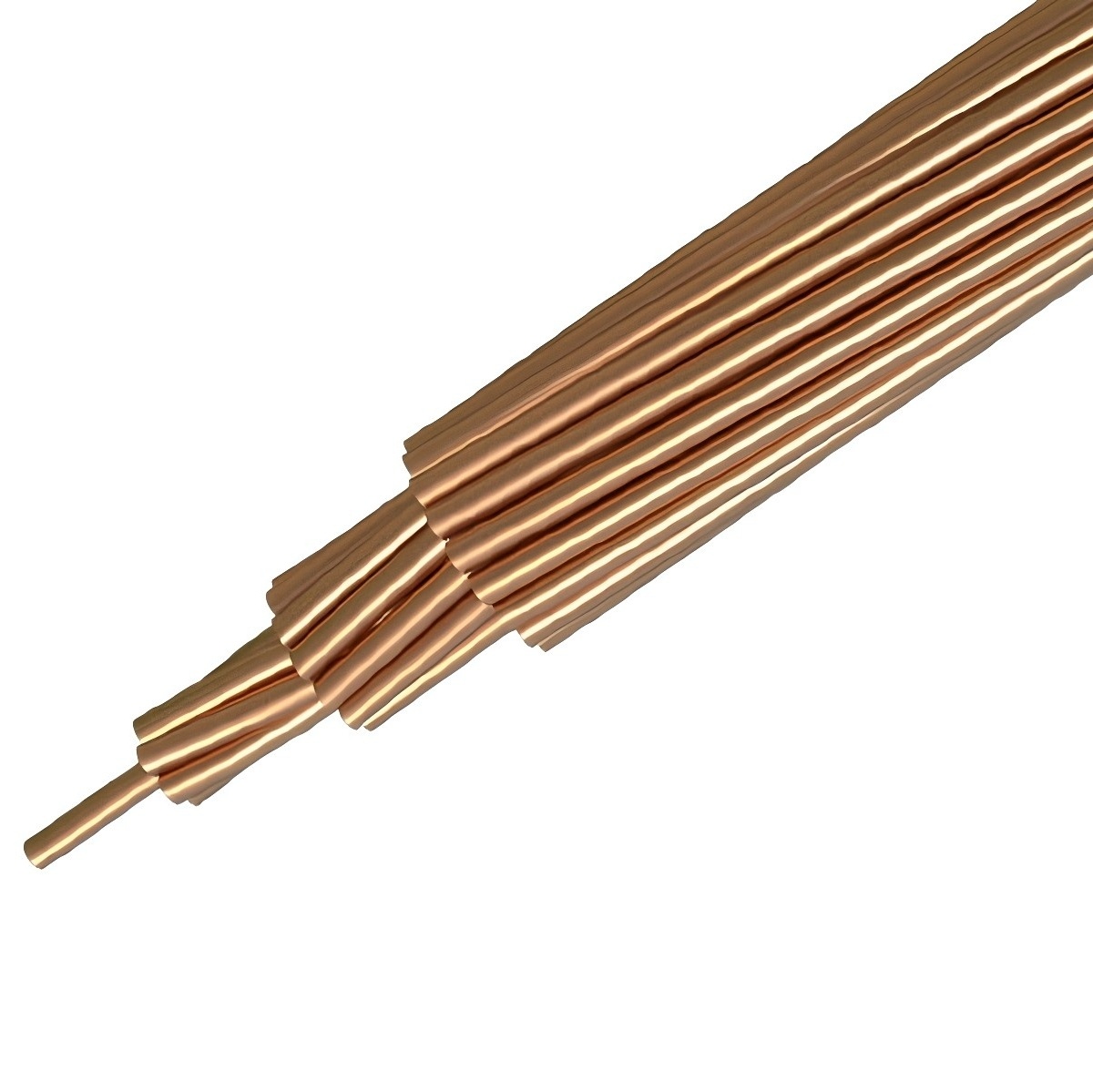
Copper is determined as the standard for electrical conductivity - the International Annealed Copper Standard (IACS) with a copper resistivity of 1.724µΩcm at 20°C is assigned the 100% value. The addition of impurities or the work hardening of the copper through drawing down will adversely affect the conductivity of the copper. Whilst copper alloys are sometimes produced to improve the hardness of the copper where ductility is not desired, or to enhance the tensile strength, flex endurance and temperature resistance, the consequence of these additional alloying materials is to decrease the conductivity.
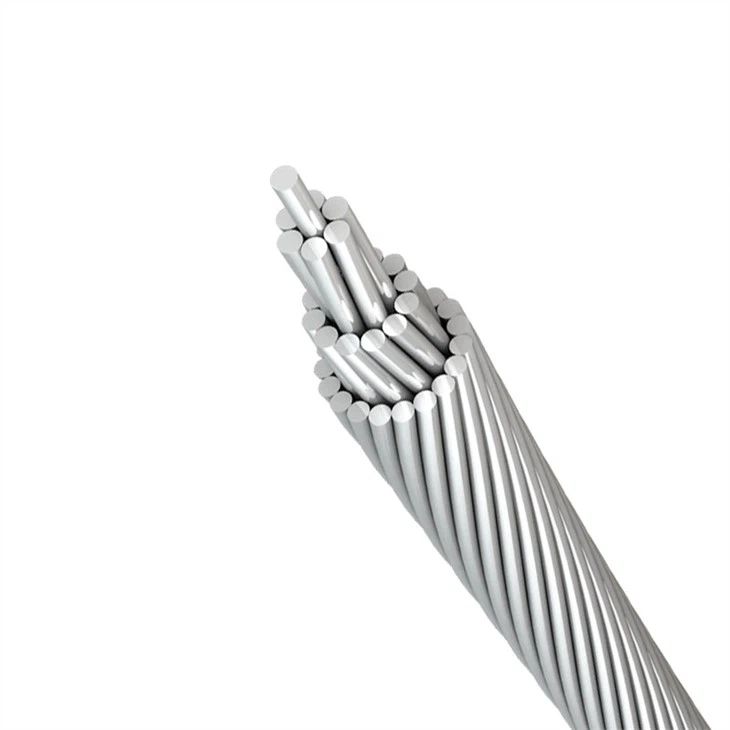
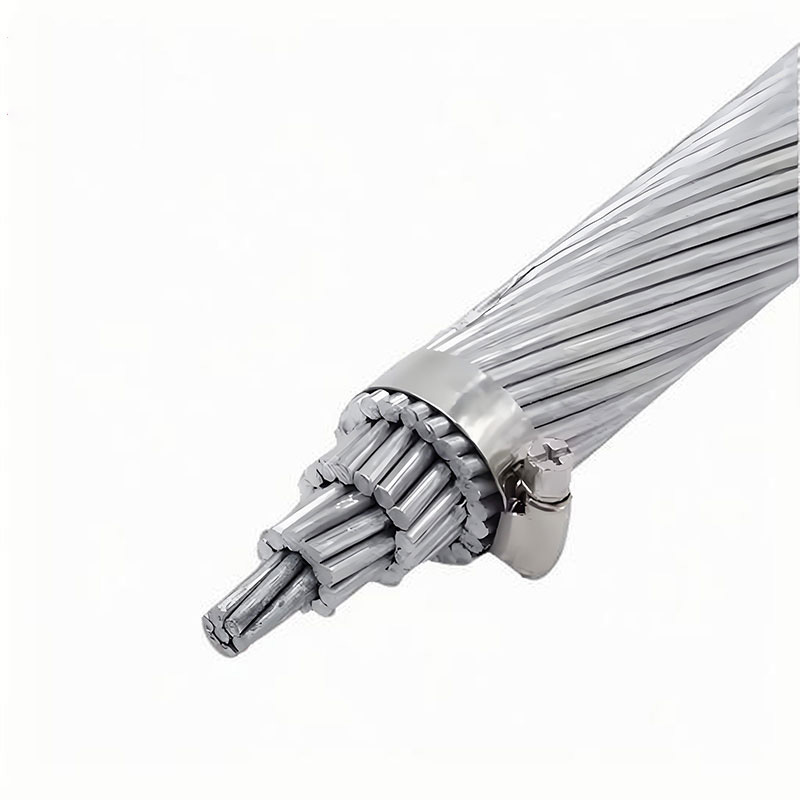
Aluminium is abundantly available and offers a cheaper alternative to copper for conductors. The demand for copper is variable and the price fluctuates considerably whereas the price of aluminium is much more stable. Whilst an aluminium conductor is only about 61% as conductive as the same sized copper conductor it is also three times lighter in weight which makes it much easier to handle. For this reason aluminium finds favour in large size cables and cables for overhead power distribution.
The difference in the conductivity means that a much larger size aluminium conductor needs to be used to match the conductivity of the equivalent copper conductor. Using a larger size conductor has the add-on effect of requiring a greater amount of insulation material to adequately cover the conductor and the extra cross-sectional size of the cable may be restrictive in certain applications.
Other differences between the two include tensile strength: copper has approximately twice the tensile strength of aluminium, but it is worth noting that given that an equivalent aluminium conductor is larger and lighter, it often doesn’t require the same degree of tensile strength. Copper is more thermally conductive than aluminium, but again, when the larger conductor sizes are factored in, the differences are reduced. The better the thermal conductivity, the better the short-circuit performance of the conductor.
Recommended
07 Sep,2026
Aluminum Cable Installation Best Practices
30 Jun,2026
Share to
Our philosophy: transmit the light, connect the world, realize double wins, grow together.


Copyright © Henan Xunda Cable Co.,Ltd
This site has IPV6 support Powered by www.300.cn
SAF Coolest v1.3 设置面板 ITNSX-ZGIV-RWXAE-DDE
无数据提示
Sorry, there is no content in the current column!